Gardens have been an integral part of human civilization for centuries, providing a source of sustenance, beauty, and relaxation. In the small city of Wilder, Kentucky, gardens have played a significant role in shaping the community and its history. From the early Native American settlements to the present day, gardens in Wilder have evolved and adapted to the changing times.
The Early Years
The history of gardens in Wilder can be traced back to the early Native American tribes that inhabited the area. These tribes, including the Shawnee and Cherokee, were skilled in agriculture and used the land to grow crops such as corn, beans, and squash.They also cultivated medicinal plants and herbs for healing purposes. When European settlers arrived in the 18th century, they brought with them their own gardening traditions. The first recorded garden in Wilder was established by Colonel Robert Patterson in 1790. He planted an orchard and a vegetable garden on his land, which is now known as the Patterson Homestead.
The Rise of Ornamental Gardens
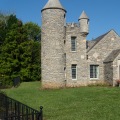
As Wilder grew into a bustling city in the 19th century, gardens began to take on a more ornamental purpose. Wealthy families built grand estates with elaborate gardens that showcased their status and wealth.The most notable of these was the Dinsmore Homestead, built in 1842 by James Dinsmore. The estate featured a formal garden with intricate flower beds and a large greenhouse. During this time, gardening also became a popular pastime for women. They would gather together to exchange seeds and plants and share gardening tips. The Wilder Garden Club was founded in 1891 and is still active today, making it one of the oldest garden clubs in the United States.The most notable of these was the Dinsmore Homestead, built in 1842 by James Dinsmore. The estate featured a formal garden with intricate flower beds and a large greenhouse. During this time, gardening also became a popular pastime for women. They would gather together to exchange seeds and plants and share gardening tips. The Wilder Garden Club was founded in 1891 and is still active today, making it one of the oldest garden clubs in the United States.
The Impact of World War II
The 20th century brought about significant changes in the gardening landscape of Wilder.During World War II, many gardens were transformed into victory gardens to support the war effort. These gardens were used to grow fruits and vegetables to supplement the food supply during rationing. The Wilder community came together to plant and tend to these gardens, fostering a sense of unity and patriotism. After the war, gardening continued to be a popular activity, but with a new focus on convenience and efficiency. The rise of suburban living led to smaller yards and a shift towards low-maintenance gardens.
The use of chemical fertilizers and pesticides also became more prevalent, causing concerns about the impact on the environment.
A Return to Nature
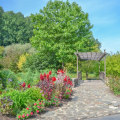
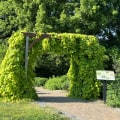
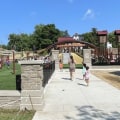
In recent years, there has been a growing movement towards sustainable and organic gardening in Wilder. People are becoming more conscious of the impact their gardening practices have on the environment and are turning to more natural methods. Community gardens have also become popular, providing a space for people to come together and grow their own food. The city of Wilder has also taken steps to promote green spaces and preserve its natural beauty. In 2008, the city established the Wilder Park Board, which oversees the maintenance and development of parks and green spaces in the city.The board has implemented initiatives such as rain gardens and native plantings to promote biodiversity and reduce water runoff.